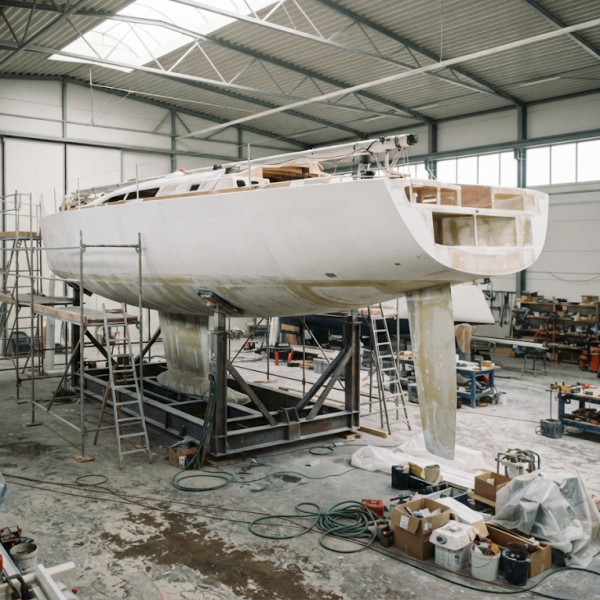
Poland is one of the largest boat building nations in Europe, and shipyards near Gdansk, Szczecin and the Masurian lakes launch thousands of yachts every year, from small sailing dinghies to luxury motor cruisers. Most of them are sold abroad, to owners in Germany, France, Scandinavia and the United Kingdom, who expect the same level of clarity in the manual that they find in the hull. A yacht is a complex machine with fuel, gas, electricity and sails, so an owner who cannot read the manual is not just inconvenienced, he may be in danger. This article explains how Polish yacht builders can prepare English owner manuals, declarations and sales documents that meet the expectations of international buyers.
The Owner Manual as a Safety Document
An owner manual explains how to launch the boat, start the engine, operate the electrical system, use the gas stove, fill the tanks, handle the sails and leave the boat safely in winter. Warnings must be unmistakable, with symbols and short sentences. Avoid translating word by word, because a phrase that sounds natural in Polish can seem ambiguous in English. Each warning should say what may happen and what the owner should do.
Technical Terms and Sailing Vocabulary
Boat building has its own vocabulary, with words for each fitting, line and part of the rigging. Polish and English terms do not always match one to one, and regional habits add confusion. Create a glossary with the Polish term, the English term, a picture and the supplier name of the part. Use it in every document, from the drawing list to the price quotation, and share it with all suppliers who write texts for your product.
Declarations and Certification
Boats sold in the European Union must carry a declaration of conformity and a plate with the category of design and the maximum load. The European Commission explains the rules for recreational craft on its pages for the single market at single-market-economy.ec.europa.eu, and builders should check them before every new model. Documents must be available in the language of the country where the boat is sold, so plan the work early to avoid delays at delivery.
Working with a Language Partner
A yard that exports several models a year needs a stable provider for technical texts. A specialist offering polish language translation can convert manuals, brochures and contracts into English and keep the style consistent across the range. Send the translator the drawings, the parts list and the glossary, and let them speak with an engineer who can answer questions. Ask for a review of the final text by a native sailor, who will notice small errors that others might miss.
A yard that exports several models a year needs more than a one-off translation, it needs a partner who knows its boats and keeps the wording steady from the first manual to the last. Specialist polish translation covers manuals, brochures and contracts together, so the name of a fitting, a warning and a warranty clause all read the same way in every document an owner receives. That consistency is what makes a new owner trust the yard before the boat ever touches the water.
Sales Brochures and Specification Sheets
Brochures sell dreams, but specification sheets close deals. A good sheet lists the length, beam, draught, displacement, engine, tanks, cabins and standard equipment, in metric and imperial units where relevant. Keep the layout clean and avoid adjectives that cannot be measured. Buyers compare several brands side by side, so use the same terms as the industry does, and highlight what is included and what is optional.
Contracts, Payments and Warranties
A boat purchase contract sets out the price, the payment schedule, the delivery date, the equipment, the sea trial, the acceptance procedure and the warranty. A delay in delivery or a dispute about extras can be expensive. Write each clause in simple English and have a lawyer experienced in maritime sales check it. Our article on GPSR translation requirements helps explain why product information must reach the buyer in a language they can understand.
Delivery, Handover and Training
The handover is the moment when the owner takes responsibility. Prepare a checklist in English that covers every system, with space for signatures. Offer a short training session with an interpreter if needed, and give the owner a quick start card with the most important steps. A clear handover protects the yard from later claims and gives the owner confidence.
After Sales Service and Spare Parts
Service requests arrive from distant marinas at awkward hours. Provide a simple form in English where owners can describe the problem, add photographs and state the hull number. Keep templates for common answers and a list of authorised service points. Parts catalogues should use the same names and codes as the manual, so that a replacement can be ordered correctly at the first attempt.
Boat Shows and Dealer Networks
At boat shows, dealers and private buyers walk past dozens of stands. A printed English brochure, a price list and a short video with subtitles can make the difference. Train staff to explain technical points in plain English, and prepare a folder for dealers with product sheets, logos and photographs. Clear terms for commission and territory avoid friction later.
Building a Reputation for Clarity
Review all English documents every year with engineers, sales staff and a native reader. Update manuals when the design changes, keep an archive of old versions and record every correction. A yard that treats words as carefully as it treats fibreglass earns the trust of owners, dealers and inspectors, and trust is the best wind any brand can sail with.